loader

Succes Stories

Revolutionizing Cocoa Cultivation

For generations, farmers of Uttara Kannada depended almost exclusively on areca nut and coconut crops highly vulnerable to market volatility and climatic uncertainty. Small landholdings, rising input costs, and unstable prices placed thousands of farming families under persistent financial stress. Recognizing this structural vulnerability, Kadamba reintroduced cocoa as an intercrop within areca nut and coconut plantations, transforming previously unused inter-space into a new and sustainable source of livelihood.Through hundreds of village-level

awareness programs and structured technical trainings, farmers were supported to adopt high-yield hybrid cocoa varieties in collaboration with the Directorate of Cashew & Cocoa Development (DCCD), with assured buy-back arrangements and market linkage support. What began as a pilot initiative soon evolved into a regional movement. Cocoa provided regular supplementary income, reduced dependence on a single crop, and strengthened farmers’ capacity to withstand price shocks and crop failures. Beyond income, cocoa cultivation restored confidence, dignity, and aspiration. It did not merely grow between trees-it nurtured hope, stability, and long-term security in thousands of rural households.

Agar Wood: A Game-Changer for Farmers

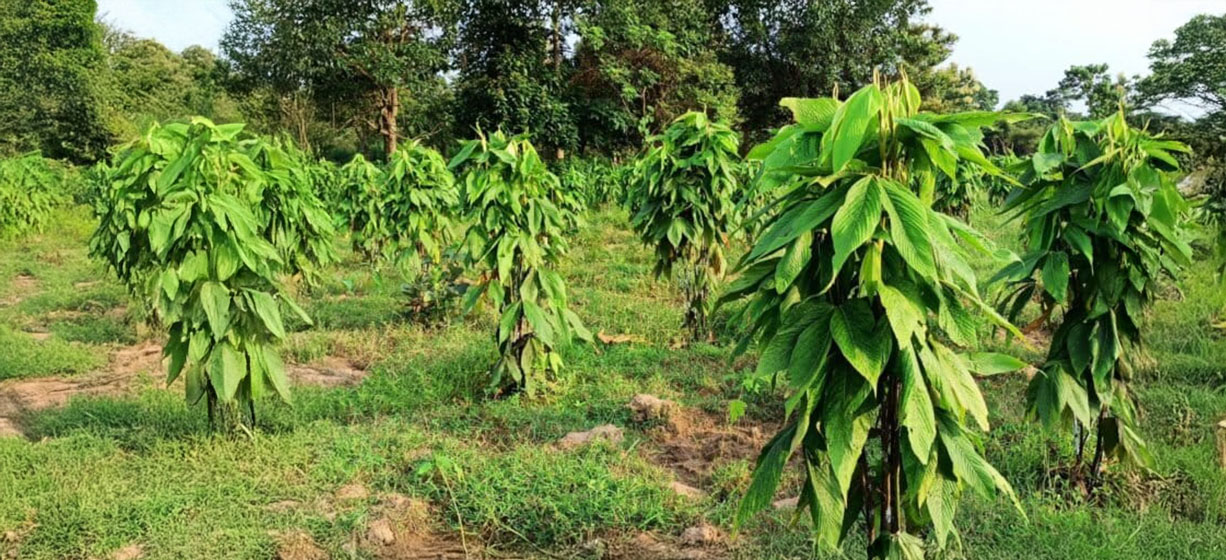
Areca nut farmers faced a silent crisis—acute labour shortages, erratic monsoons, and declining profitability that threatened the very sustainability of their livelihoods. In this climate of uncertainty, Kadamba introduced Agar Wood, in association with Vanadurgi Agar Wood Company, as a long-term, high-value alternative requiring minimal daily labour but offering transformative economic returns. For small and marginal farmers, Agar Wood became a symbol of future security. With Kadamba’s technical guidance and institutional partnerships, thousands of farmers integrated Agar Wood into their existing farming systems. These trees represented not merely income, but a retirement corpus, an education fund for children, and a safety net for old age. Quietly and steadily, Agar Wood rewrote rural aspirations—replacing fear with patience, short-term survival with long-term planning, and uncertainty with intergenerational economic hope.

Gumlac Cultivation: Reviving Heritage, Rebuilding Livelihoods

Lac cultivation reconnected farmers not only with income, but with heritage, tradition, and ecological wisdom. In regions where land productivity had declined and employment options were limited, Kadamba revived an ancient practice with the guidance of ICAR-IINRG-Ranchi that required skill, care, and community cooperation rather than heavy capital investment. Lac provided an additional income stream without displacing existing crops, and could be cultivated even on wastelands. Women and elderly family members actively participated, making lac a truly inclusive household livelihood. Traditionally confined to tribal forest-based communities, lac cultivation—through Kadamba’s intervention—was transformed into a mainstream agricultural enterprise. Initiated in Uttara Kannada, the practice gradually spread across Karnataka. The social impact was profound. In reviving lac, Kadamba did more than introduce a crop—it revived a living tradition, strengthened community economies, and restored continuity between ancestral knowledge and modern livelihoods.

Teff: Nourishing Health

In drought-prone regions where conventional crops repeatedly failed, Teff offered farmers a rare convergence of nutritional security and economic stability. Its ability to grow in both kharif and rabi seasons reduced dependence on monsoons and protected families from total crop loss. Originally native to Ethiopia and Eritrea, Teff was introduced to Karnataka through seeds obtained from CSIR–CFTRI, and further developed by Kadamba using indigenous farming technologies. Initiated in Uttara Kannada, the crop gradually expanded across the state. Beyond income, Teff transformed household nutrition. Women, children, and elderly members benefited from its high calcium, fibre content, and low glycaemic index, supporting diabetes management and reducing malnutrition. As demand for health foods increased, Teff opened access to premium markets, enabling small farmers to earn higher returns from limited landholdings. Over time, Teff restored confidence in farming and demonstrated that nutrition-driven agriculture can uplift both health and livelihoods.

Expanding Cashew Cultivation

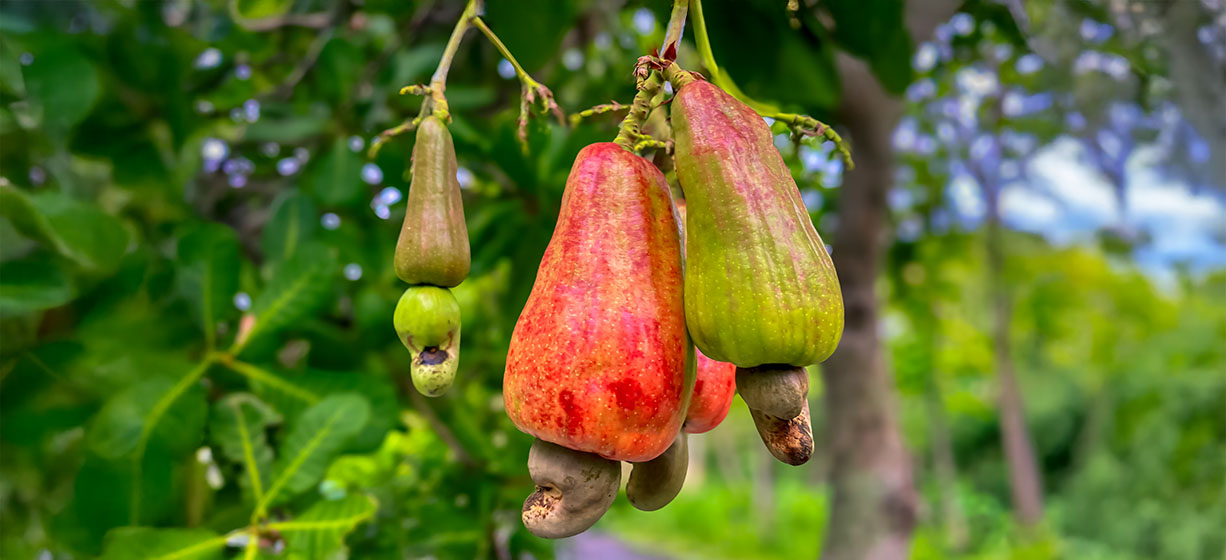
Large tracts of barren land once stood as silent symbols of lost opportunity. For landless labourers and marginal farmers, these wastelands reflected both poverty and neglect. Kadamba’s cashew expansion program (Supported by DCCD-Cochin) transformed these idle lands into productive assets, converting degraded soil into a source of livelihood, dignity, and environmental renewal. Cashew offered a low-risk, long-term income with minimal irrigation requirements. For vulnerable families, cashew orchards created stable employment, particularly for women engaged in harvesting and processing. Over time, cashew cultivation strengthened community cooperation, revived confidence in perennial crops, and rebuilt trust in agriculture as a viable profession. Environmentally, cashew plantations increased green cover and restored degraded landscapes. What was once wasteland became a living testimony of resilience—proof that with the right institutional support, even forgotten lands and forgotten farmers can reclaim their future.

Palmarosa: Cultivating Resilience through Aromatic Livelihoods

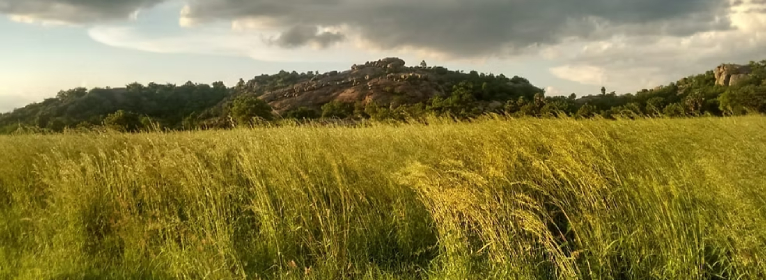
For farmers struggling with water scarcity and low-value crops, Palmarosa introduced a new pathway to resilience and rural enterprise. Hardy and climate-adaptable, this aromatic grass thrived where many food crops failed, offering stable yields even under adverse conditions. Through essential oil extraction and value addition, farmers entered the world of rural entrepreneurship. Women found new roles in nursery raising, distillation, and micro-enterprises, strengthening their economic independence and social status. The initiative originated from CSIR–CIMAP, Lucknow, under the Government of India’s Aroma Mission. Through Kadamba, Palmarosa was first promoted in Uttara Kannada, then expanded to neighbouring districts and across Karnataka. A subsidized extraction unit established in Mysore district was later shifted to Sikkim under Kadamba’s North-East initiatives, extending the model nationally. What began as a grass became a source of dignity, enterprise, and hope, proving that climate-smart agriculture can rebuild both livelihoods and confidence in the future.